#UsedOutboard#BuyingGuide#OutboardMotors#Yamaha#Mercury#Honda#Suzuki#CompressionTest#BoatMechanic#UsedBoatMotors
What to Look for When Buying a Used Outboard Engine
After 9 years of running outboard classifieds, we've seen every mistake a buyer can make. Here's your checklist for buying used without getting burned.
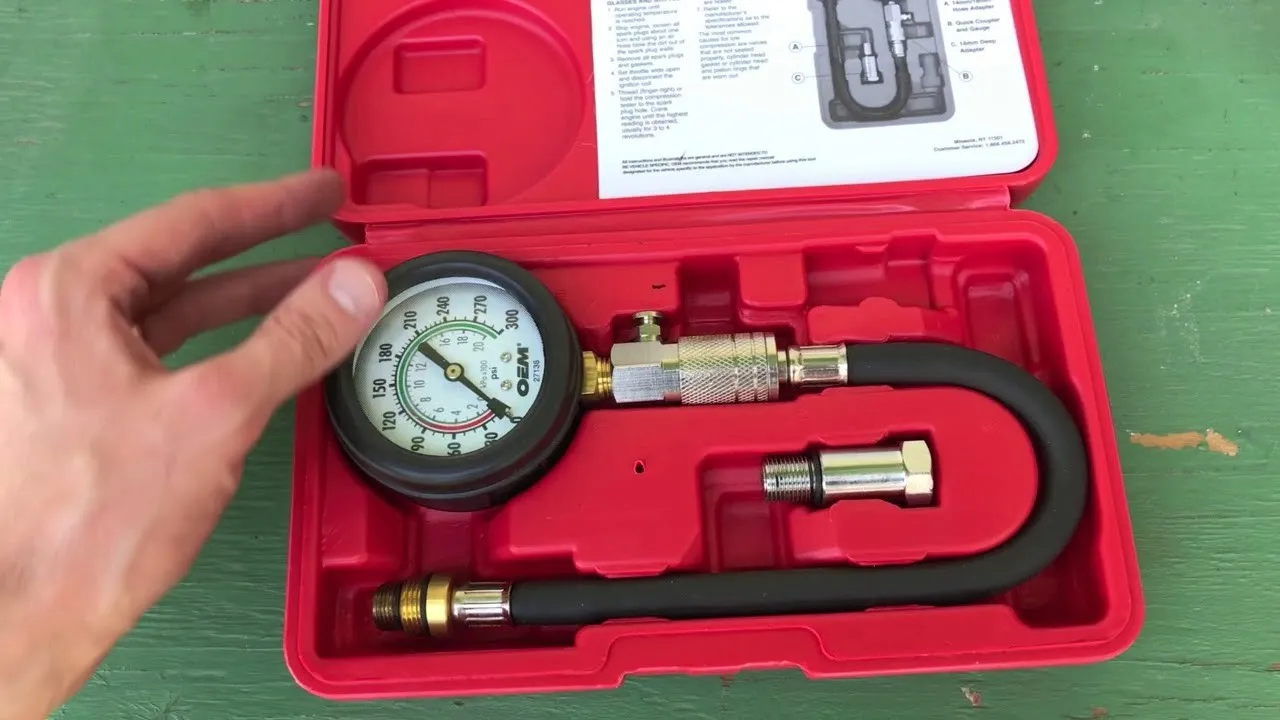
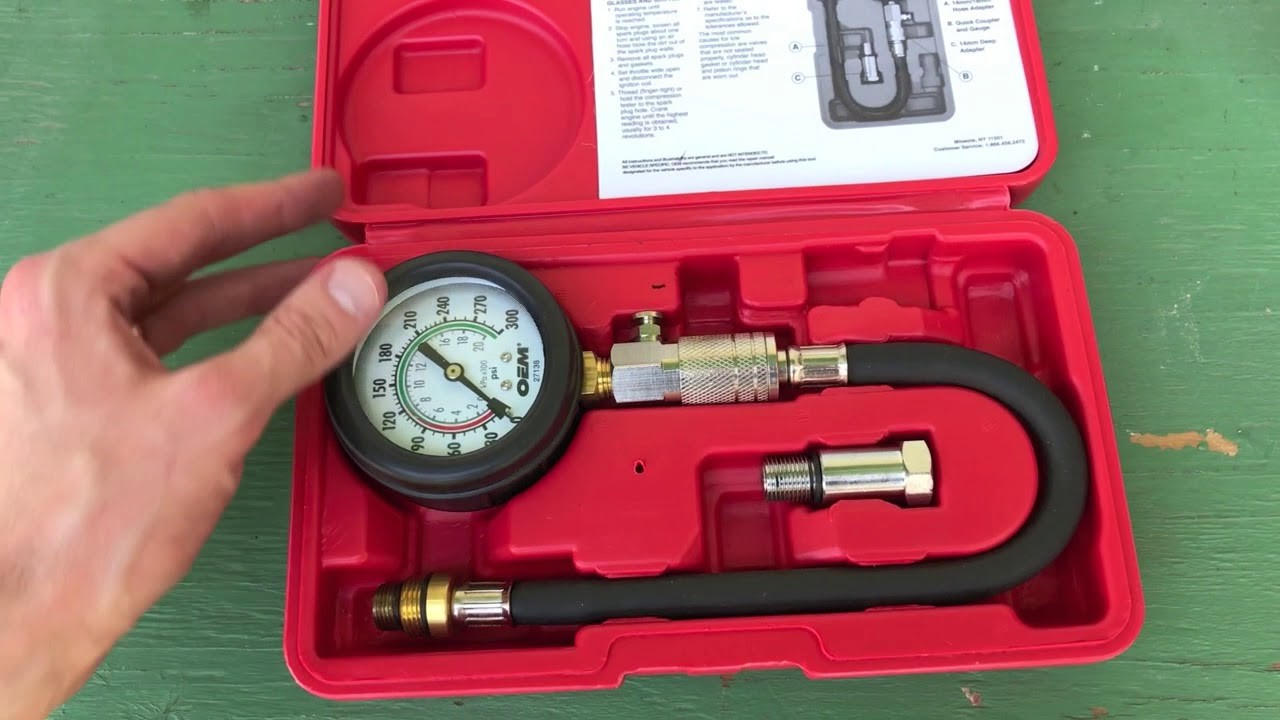
A compression test is the single most important diagnostic when buying used
The 7-Point Buyer's Checklist
1. Compression Test Results
- The single most important diagnostic
- Each cylinder should read within 10% of the others
- Low compression = expensive ring or piston work
- If the seller won't provide one, walk away
2. Water Pump / Impeller
- Should be replaced annually or every 100 hours
- A failed water pump = overheated engine = catastrophic damage
- Ask when it was last replaced and get proof
3. Lower Unit Oil
- Milky or gray oil = water intrusion = bad seal
- Lower unit rebuilds cost $800-$2,000+
- Clear, clean oil is what you want to see
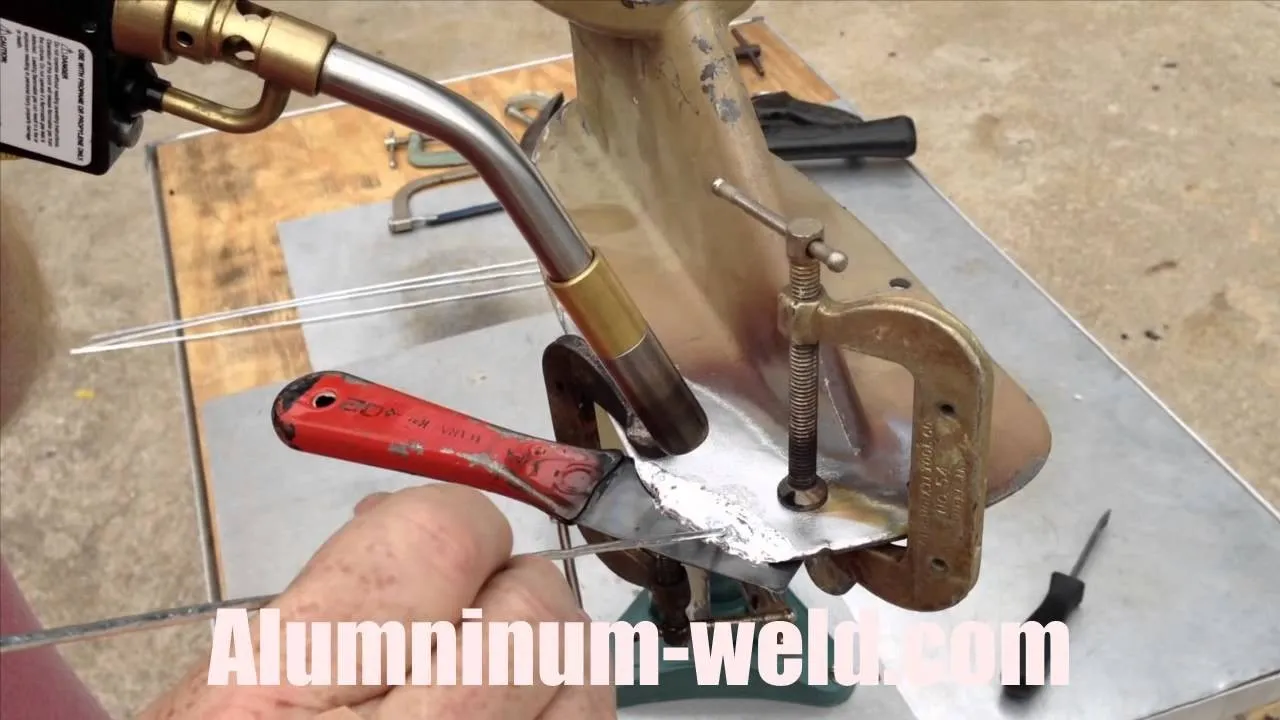
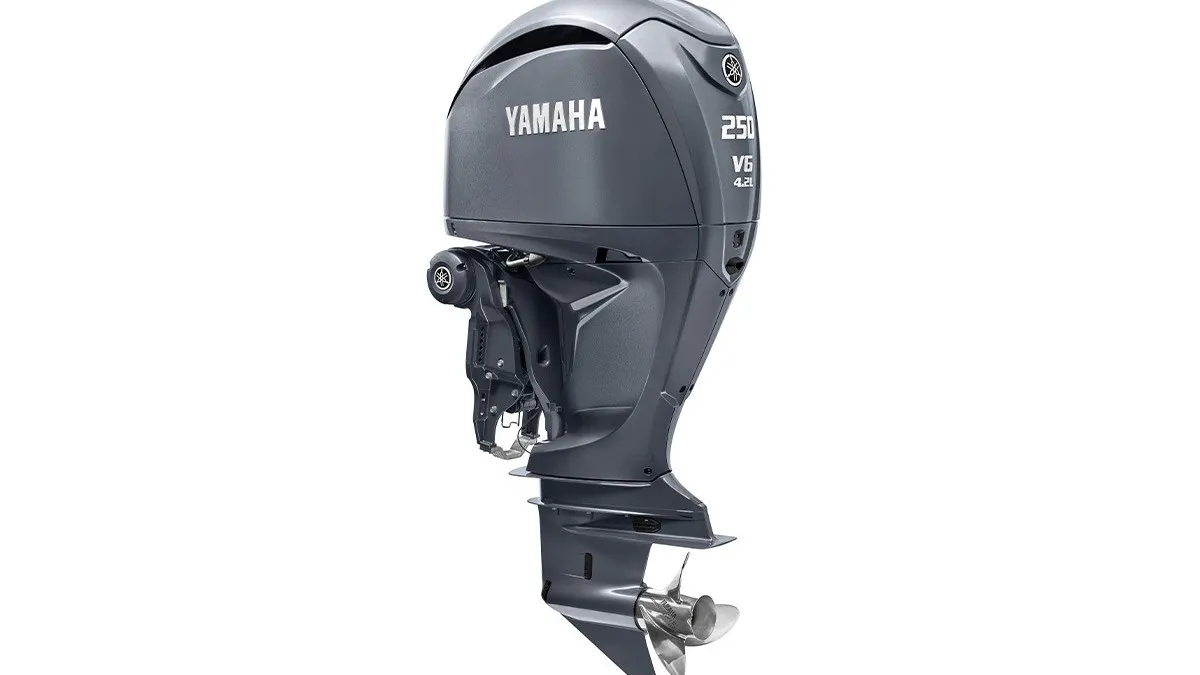
Inspect the lower unit, prop, and skeg for damage and corrosion
4. Hours on the Engine
- More hours isn't always bad - a well-maintained 500-hour engine beats a neglected 100-hour one
- Hours give you context for price negotiation
5. Water Test
- Never buy without seeing it run in water
- A garden hose test ≠ running under load
- Listen for knocks, watch for smoke, check for overheating alarms
6. Title & Serial Numbers
- Match serial number to paperwork
- Check it's not reported stolen
- No title or registration? Walk away
7. Corrosion
- Check powerhead, midsection, and lower unit
- Saltwater engines show more wear
- Pitting on prop shaft and eaten-away anodes = deferred maintenance

Always water-test an outboard before buying - no exceptions
Pro tip: Use our AI Outboard Scanner to verify the seller's claimed specs before you even make the trip.
Related: Browse verified outboard listings · How to photograph an outboard for sale · Source: BoatUS Outboard Inspection Guide