#TwoStroke#FourStroke#OutboardMotors#Yamaha#Mercury#Evinrude#ETec#OutboardEngines#BoatMotors#MarineEngines
2-Stroke vs 4-Stroke Outboards: Which Is Right for You?
The 2-stroke vs 4-stroke debate has been going on for decades. Here's the honest, no-BS breakdown.
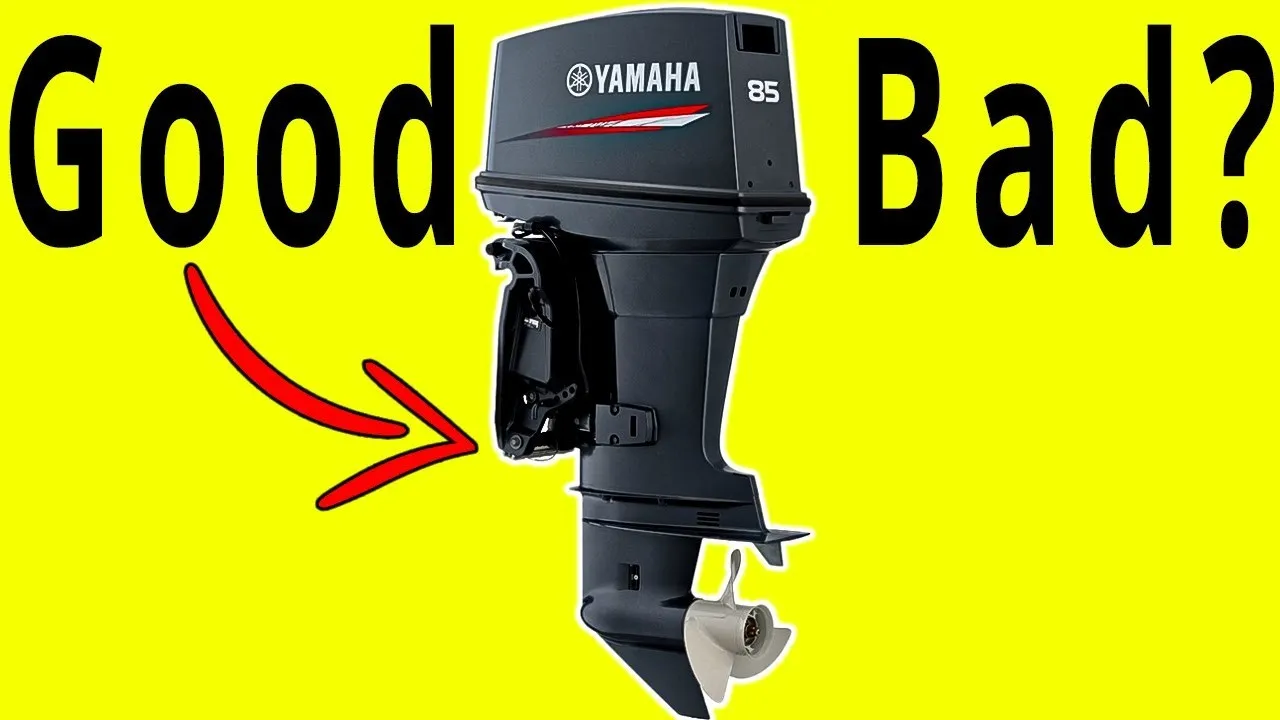
Two-stroke outboards: lighter, simpler, and still have their place
2-Stroke Advantages
- 20-30% lighter than equivalent 4-strokes
- More power per pound - fires once per revolution
- Simpler mechanically - fewer moving parts
- Lower purchase price - especially used
- Better hole shot - gets on plane faster
4-Stroke Advantages
- 30-50% better fuel economy vs carbureted 2-strokes
- Significantly quieter - especially at idle
- Cleaner emissions - meets modern EPA standards
- Better low-speed torque - smoother trolling & docking
- No oil mixing - runs on straight gasoline
The Modern Reality
- Modern direct-injected 2-strokes (Evinrude E-TEC) closed much of the fuel/emissions gap
- But Evinrude stopped production in 2020, making used DI 2-strokes increasingly rare and valuable
- For most buyers today, a 4-stroke is the practical choice
- Exception: performance boats or weight-sensitive applications where a good 2-stroke still shines
Quick Decision Guide
- Fishing / cruising / family use -> 4-stroke
- Performance / racing / weight matters -> 2-stroke (if you can find a good one)
- Budget-conscious -> Used 2-strokes are cheaper, but factor in fuel costs
Use our AI Scanner to identify any outboard's stroke type instantly from a photo. Browse verified listings and filter by stroke type.
Related: Used outboard buyer's checklist · Source: Mercury Marine